The dirtiest jobs were given to the children. Some of the new laws that would focus on the youth in the factories were-No child workers under the age of nine-Children are not to work at night.

Child Labor Laws Definition Industrial Revolution History
It was not uncommon for a person to work more then 12 hours a day and have to work 6 days a week.
. Child labour is scattered all over Pakistan but the greatest impact was on a north-western province called Sialkot. The term mill girls was occasionally used in antebellum newspapers and periodicals to describe the young Yankee women generally 15 - 30 years old who worked in the large cotton factories. According to History Crunch a child working during the Industrial Revolution typically made between 10 to 20 of an adults wage despite performing the same work.
With this act children who worked in factories would now be given more safe regulations. Women in the Work Force during World War II Background. Hard labor at such a young age Working conditions that are deemed safe for adults may not be safe for children who have smaller statures and frailer bodies.
In the Lodz ghetto for example the Nazis opened 96 factories. Those complaining are beaten and abused. 250 million children between 5 and 14 are forced to work in sweatshops in developing countries.
Women have always worked outside the home but never before in the numbers or with the same impact as they did in World War II. Below-minimum wages child labour and appalling conditions likened to a sweatshop a factory or workshop where employees work long hours for low money in conditions that are hazardous to health. Factory work inspired women to seek more opportunities and helped foster the womens rights movement.
Prior to the war most of the women that did work were from the lower working classes and many of these were minorities. We are ill-treated and work like slaves We are treated worse than horse cow goat pig dog. In 1991 American labour activist Jeffrey Ballinger published a report on Nikes factory practices in Indonesia exposing a scandal.
An interview in 1849 with an unknown woman who worked in a cotton factory as a child. Established in 1850 in Cleveland the Female Protective Union sought to improve the conditions faced by women who worked in the garment industry. Child laborers can also be found in industries such as factories mining and construction and in services such as prostitution.
There were a variety of attitudes towards women in. By 1900 roughly 17 million children under the age of 16 worked in factories. Children working in factories worked in dangerous situations for long hours 14 to 18 hours a day.
The Factory Act of 1844 is an extremely important one in the history of family legislation. Up to 24 cash back The Factory Act of 1833 was a major accomplishment for the proper rights of child workers. Many even saw children as key employees with several advantages over their adult counterparts.
Sometimes people would even lose their limbs because of the terrible working. Jews deemed unproductive by the Nazis were often the first to be shot or deported. When I was seven years old I went to work at Mr Marshalls factory at Shrewsbury.
In many ways the mill was seen as an extension of the family unit. In the worst forms of sweatshops people are forced to work up to 72 hours straight without sleep. Many times a child would be told to clean under machines even while they were running.
Lots of the people that worked in these factories had fingers crushed or completely cut off. 5 to 9 year old Chimney sweeps would come out of a chimney covered from head to toe with soot. Child labor in sweatshops.
Numerous organizations formed during the early 1800s to assist women working in the factories. According to Hill 2009 a Nike factory which owed by Korean Subcontractor hired children as young as 13 years old as workers for earning less than 10 cents per hour were required to work up to 17 hours a day without talking. Less than half that many children had been employed 30 years before.
Under pressure from the public many state legislatures passed child labor laws which limited the hours children could work to ten hours per day but employers often disregarded such laws. There were little or no safety measures put in place in Victorian times so the occurrence of an injury and even death was not uncommon. Nearly no payment These are the hand-written pleas of workers in Chinese factories tucked away into a purse bought from Walmart a shopping bag from Saks and a box of Halloween decorations from K-Mart.
The ability to work could save ones life but most often only temporarily. For one they were cheap labor. In southern cotton mills children who.
If a child became sleepy the overlooker touches the child on the shoulder and says come here. In the mill as in most other factory industrial settings at the time work appropriate for children was clearly differentiated from work seen as appropriate for adults. Female textile workers often described themselves as mill girls while affirming the virtue of their.
86 Although mill supervisors oversaw the children who performed these child-appropriate tasks they were often reluctant to discipline the children. They were also called female operatives. The Act reduced the hours of work for children between eight and thirteen to six and a half a day either in the morning or afternoon no child being allowed to work in both on the same day except on alternate days and then only for ten hours.
The ghettos served as bases for utilizing Jewish labor as did forced-labor camps for Jews in occupied Poland. Sic We suffer torturement beat and rude remark sic. Their arms legs elbows and knees would be bleeding only to be washed off with salt water and sent up another chimney.
The working conditions were also very dangerous and not well taken care of. Cases of physical sexual and verbal abuse are common and well documented. Young orphan children in particular would find themselves victim.
At the factories children had no rights.
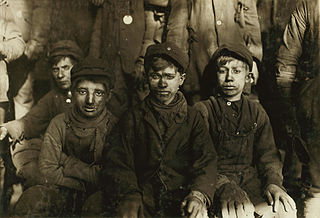
Industrial Revolution Child Labor
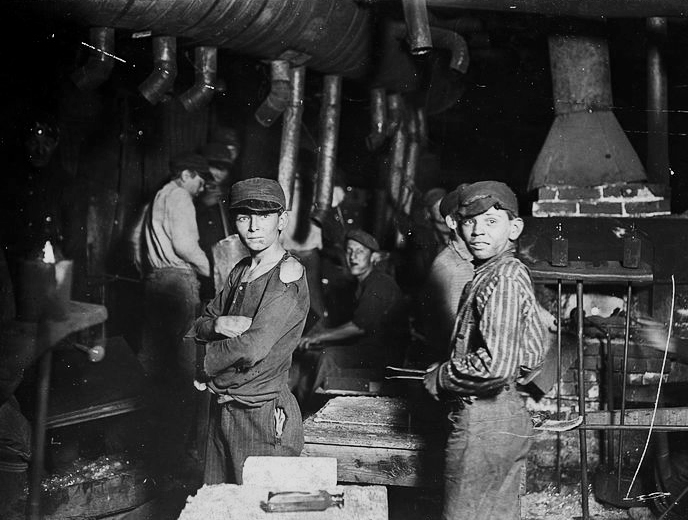
Social Welfare History Project National Child Labor Committee
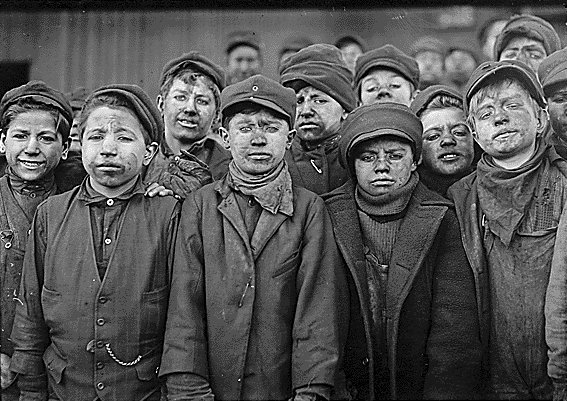
The Children That Lived Through The Industrial Revolution Foundations Of Western Culture


0 Comments